Site monitoring: objectives, obligations, methods and tools
10 September 2026

A site that runs smoothly is never down to chance. Behind steady progress there is always rigorous site monitoring. Good monitoring lets you stay in control of the project, coordinate contractors effectively, secure deadlines and make sure the finished building meets the client’s expectations.
On site, the difference is immediately visible: information flows, snags are identified and then cleared, site reports structure the action, and everyone knows what they need to do before the next site meeting.
This guide gives you a complete overview of site monitoring: its objectives, its legal value, the methods that work day to day and the tools that save time without losing precision. Whether you’re an architect, a project manager or a site manager, you’ll find practical pointers to run your sites with more peace of mind.
What is site monitoring?
Site monitoring covers all the actions that let you manage the works, from site start-up through to handover. It consists of checking progress, coordinating contractors, formalising observations, following up on decisions and keeping a clear record of every stage.
In practice, it relies on regular site visits, structured site reports, snag tracking, schedule updates and the flow of information between the different parties. Its aim is simple: stay in control of the project to deliver a building that meets the client’s expectations, on time, with as few surprises as possible.
It is a genuinely collective effort. The client, the project manager, contractors, engineering consultants and other parties move in the same direction, provided everyone has the right information at the right time and decisions are clearly recorded.
The objectives of site monitoring
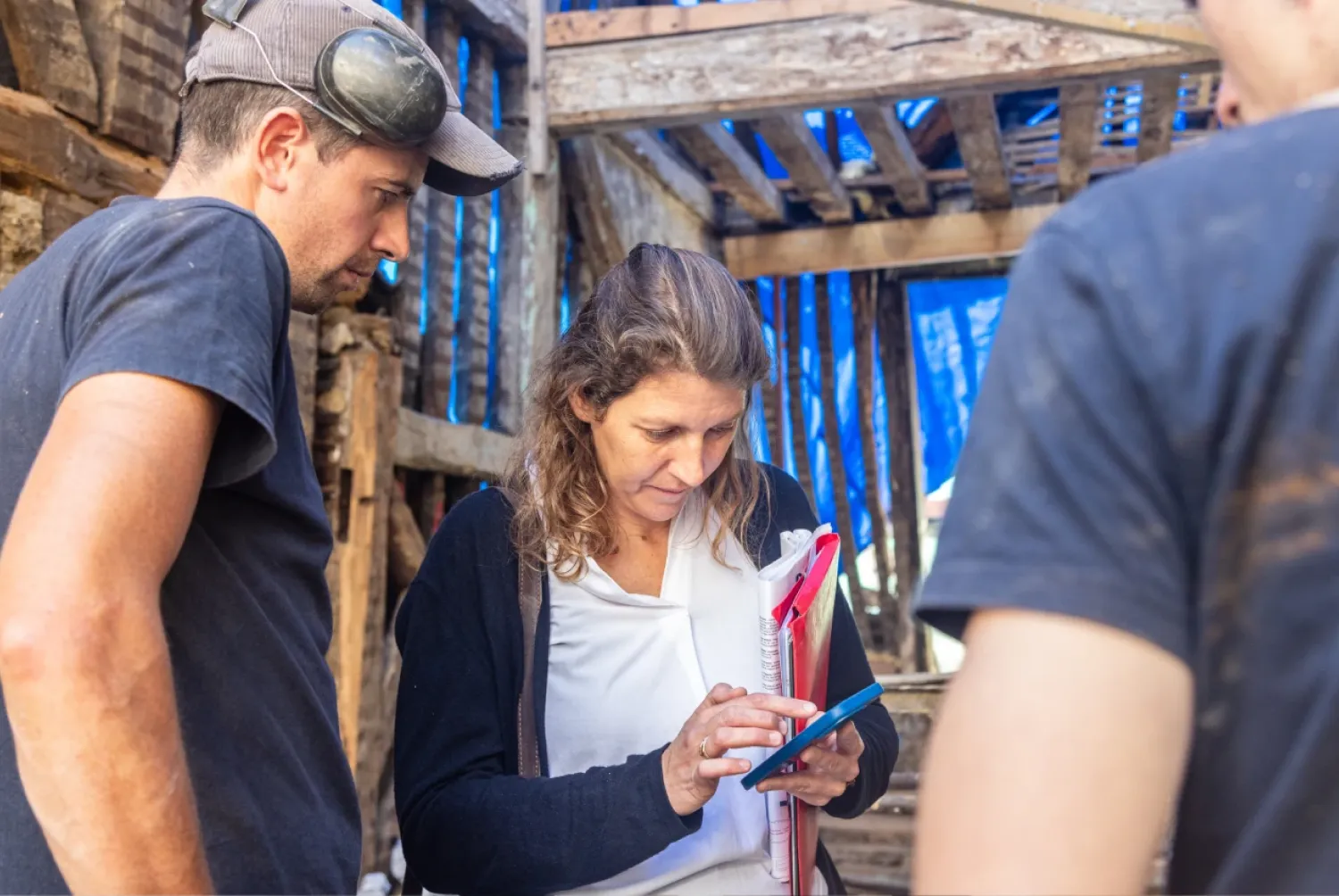
Good monitoring pursues five simple objectives that reinforce one another.
Coordinating contractors. A site brings together dozens of people who don’t always work at the same pace. Site monitoring gives them all the same level of information. Each contractor knows what they need to do, by when, and who depends on them.
Meeting deadlines. The schedule is the site’s common thread. By checking it at every visit, you spot delays before they take hold. In practice, a trade package that slips by three days can catch up; one that slips by three weeks triggers penalties.
Controlling costs. Site monitoring lets you keep the budget in check. You compare actual spending with the forecast in real time and adjust if necessary. The result: fewer surprises, less work done twice and better profitability.
Guaranteeing quality. Anything that doesn’t comply is recorded and followed up until it’s corrected. In practice, this is what separates a clean site from one that ends in tension.
Preventing disputes. A well-documented site is a protection. If there is a disagreement, your site reports, dated photos and snags are the reference. It’s no longer your word against theirs.
Is site monitoring compulsory? What the law says
This point is often misunderstood, and it’s important to see it clearly. The exact rules depend on the country and the contract; here we take the French framework as an example.
The site report has no contractual value in itself. It doesn’t replace the contract, the drawings or the specifications. But it would be wrong to say it has no legal value.
In France, private building contracts often refer to the NF P 03-001 standard, which serves as general administrative conditions. Under its provisions, a site report written by the project manager and circulated is deemed accepted if it isn’t challenged in writing within a set period (usually eight days). In practice, a party who lets that period pass without reacting can’t later claim they disagreed. The site report therefore becomes binding on everyone.
Handover of the works is also a key stage. It is recorded in a handover certificate and triggers the statutory guarantees: in France, a one-year completion guarantee, a two-year guarantee on equipment and the ten-year liability guarantee. On site, it is the handover date that starts all these periods running. Hence the value of rigorous monitoring right to the end.
The key point, wherever you work: site monitoring isn’t just an administrative formality. Done properly, it protects the project manager as much as the client.
The methods of good site monitoring
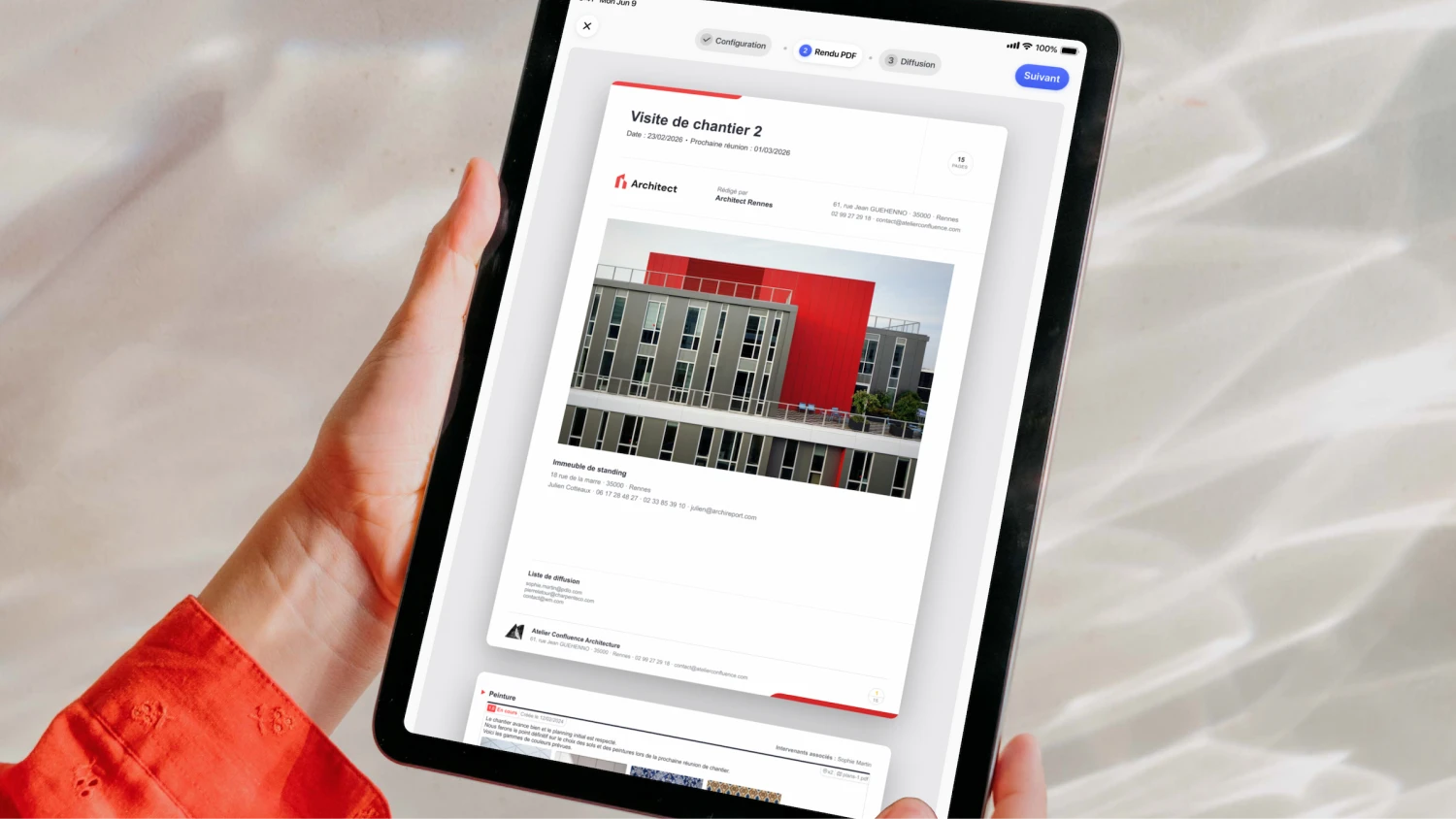
Beyond the principles, site monitoring relies on a few concrete habits.
Regular site meetings. Usually weekly during the active phase. They set the rhythm of the site and provide the framework for the site report.
A structured, consistent site report. The same structure every time: header, attendees and absentees, discussion by trade package, decisions, actions to take, snags, distribution. This consistency means you can find any piece of information in seconds.
Actions with an owner and a deadline. An observation with no one in charge and no due date will never be dealt with. It’s the golden rule of monitoring.
Snags that are located and illustrated. A snag is more valuable when it states the trade package and exact location and is backed up by a photo. Without that, it’s hard to clear and weak in a dispute.
Fast distribution. Ideally, send the site report within 24 to 48 hours. The faster it goes out, the sooner the actions start.
Site monitoring by profession
Site monitoring isn’t experienced the same way from one profession to another.
- The architect documents their visits and reassures clients with clear reports.
- The project manager coordinates the trade packages and protects their liability.
- The site manager drives progress and snags day to day.
- The site supervisor reports information from the field in real time.
- The interior architect monitors renovation and fit-out projects.
- The building surveyor writes their expert reports on site.
- The HSE manager records their safety inspections.
- The landscape professional organises their landscaping projects.
Archireport adapts to every profile: everyone starts from the same building blocks (observations, photos, plans, site reports) and puts them together their own way.
From paper to digital: why take your site monitoring digital
For a long time, site monitoring was done with a notepad, photos on the phone and a long writing session back at the office. It works, but it costs a lot of time.
Going digital changes everything. You collect the information once, on site. The report formats itself. No more re-typing in the evening, no more Word or Excel documents, no more hunting for photos in your phone’s gallery.
The benefits show quickly: fewer phone calls back and forth with tradespeople, clients reassured by clean reports, and a complete history if there is a dispute. Many users save up to an hour per site report.
Archireport, the tool for well-managed site monitoring
Archireport is a site monitoring app designed for the field. The idea is simple: everything is collected on site, and the rest almost does itself.
- With Notes & photos, you enter your observations and snags, illustrate them with a photo and place them on the plan.
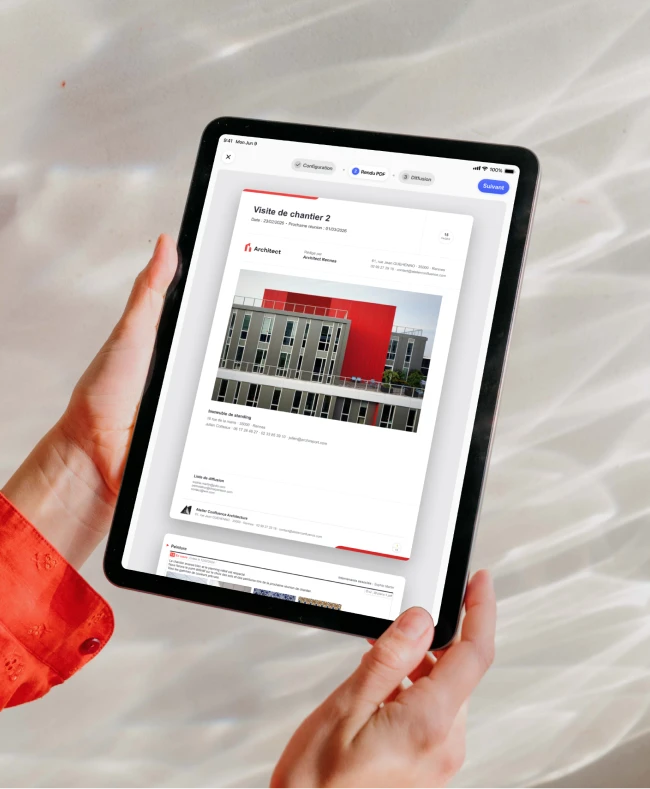
- With the automatic site report, your report is generated in a clean layout, ready to send as you leave the site.
- With monitoring & scheduling, you see progress and anticipate delays.
- With ar.live, your contractors follow their snags and reply directly, with no software to install.
You go from monitoring you endure to monitoring you control.
Key takeaways
Site monitoring rests on three pillars: clear objectives (coordination, deadlines, costs, quality, dispute prevention), consistent methods (meetings, structured site reports, located snags, fast distribution) and the right tools. Done well, it protects your liability and keeps the site on schedule.
Want to see what it looks like on your own sites? Archireport is free to try for 30 days, with no commitment and no credit card. You’ll see the difference from the very first site report.
You might also like these modules
Site visit
Free
Site visit
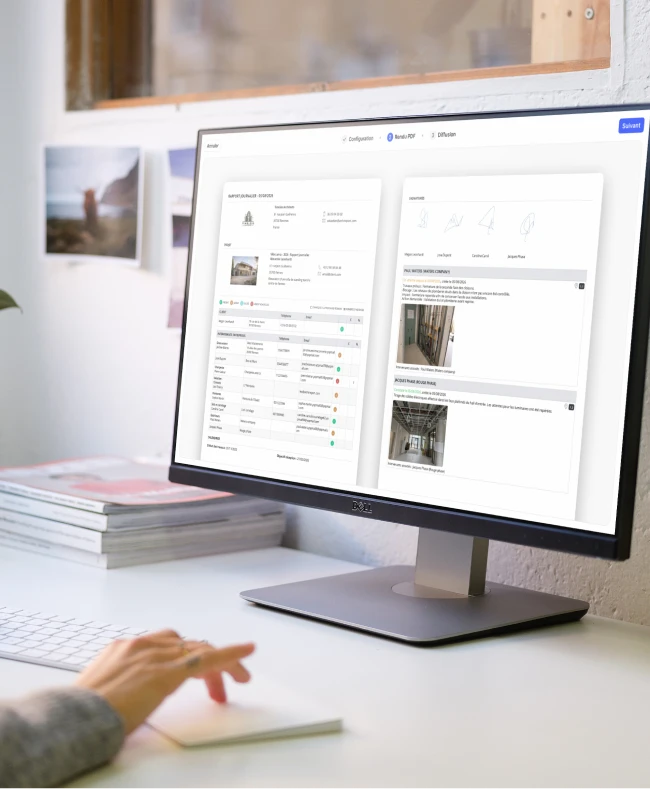
Daily reports
Free
Daily reports
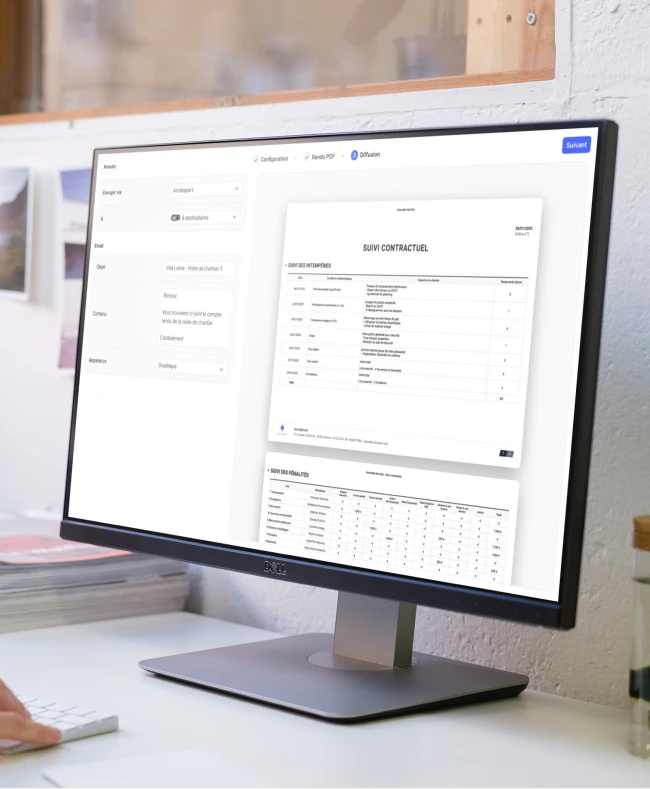
Penalties, bad weather & document tracking
Free
Penalties, bad weather & document tracking
Save 60 minutes on your next site visit.

Unlimited projects

Ready to use

No credit card required