Digital site monitoring: what really changes in the field
24 September 2026
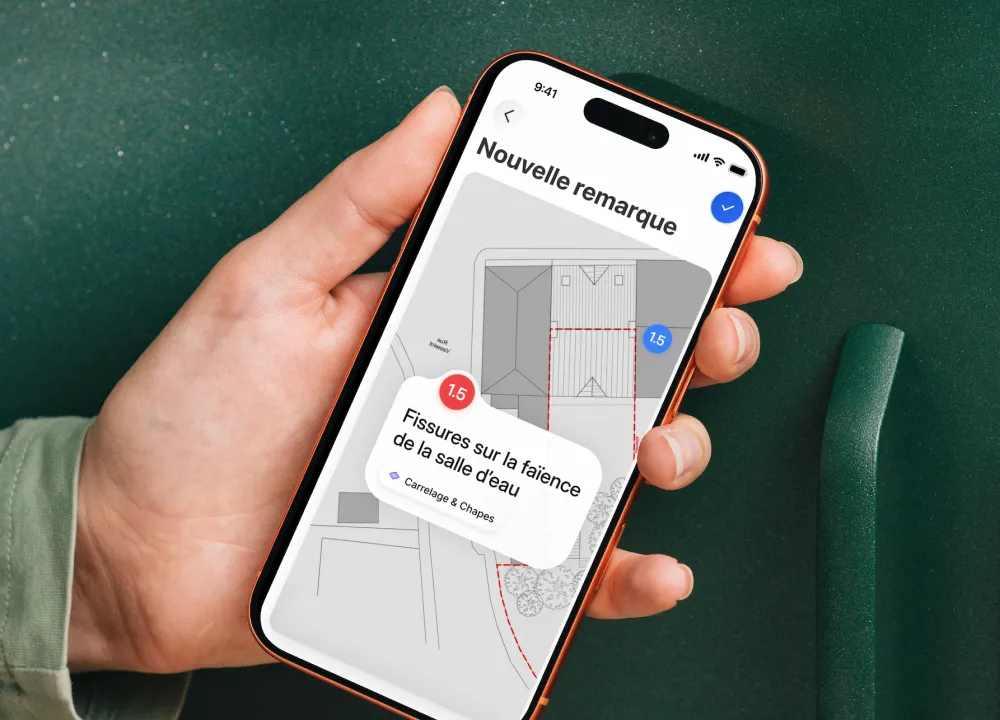
For a long time, site monitoring relied on simple tools: notes taken on site in a notebook, photos kept on the phone, then a site report written once back at the office.
This method can work if you are extremely well organised, but it takes a lot of time and easily leaves room for omissions. Digital site monitoring doesn’t replace field expertise; it makes it smoother, more reliable and easier to share.
Why monitoring becomes hard to manage by hand
A site never follows a perfectly straight line. Every observation must be linked to the right trade package, every photo must be easy to find, every snag must be followed up until it is cleared… And above all, the right information must reach the right contractor at the right time.
When information is scattered, monitoring quickly becomes fragile. Photos stay on the phone, notes in a notebook, exchanges in emails or on WhatsApp. The result: a simple check can waste time, because you have to search for a long while to find which site report it was recorded in.
With several sites running in parallel, this way of working quickly reaches its limits. The field generates too much information to be monitored effectively by hand.
Going digital doesn’t mean making things more complicated
Going digital doesn’t mean putting technology everywhere. The aim is above all to cut the time spent on tasks that add no professional value.
A good tool has to adapt to the pace of the visit. It must remain simple to use on site, including when conditions are far from ideal.
When digital tools are well designed, you almost forget they’re there. The user keeps their attention on the site, while the tool makes note-taking and producing the site report easier.
What it changes for architects and project managers
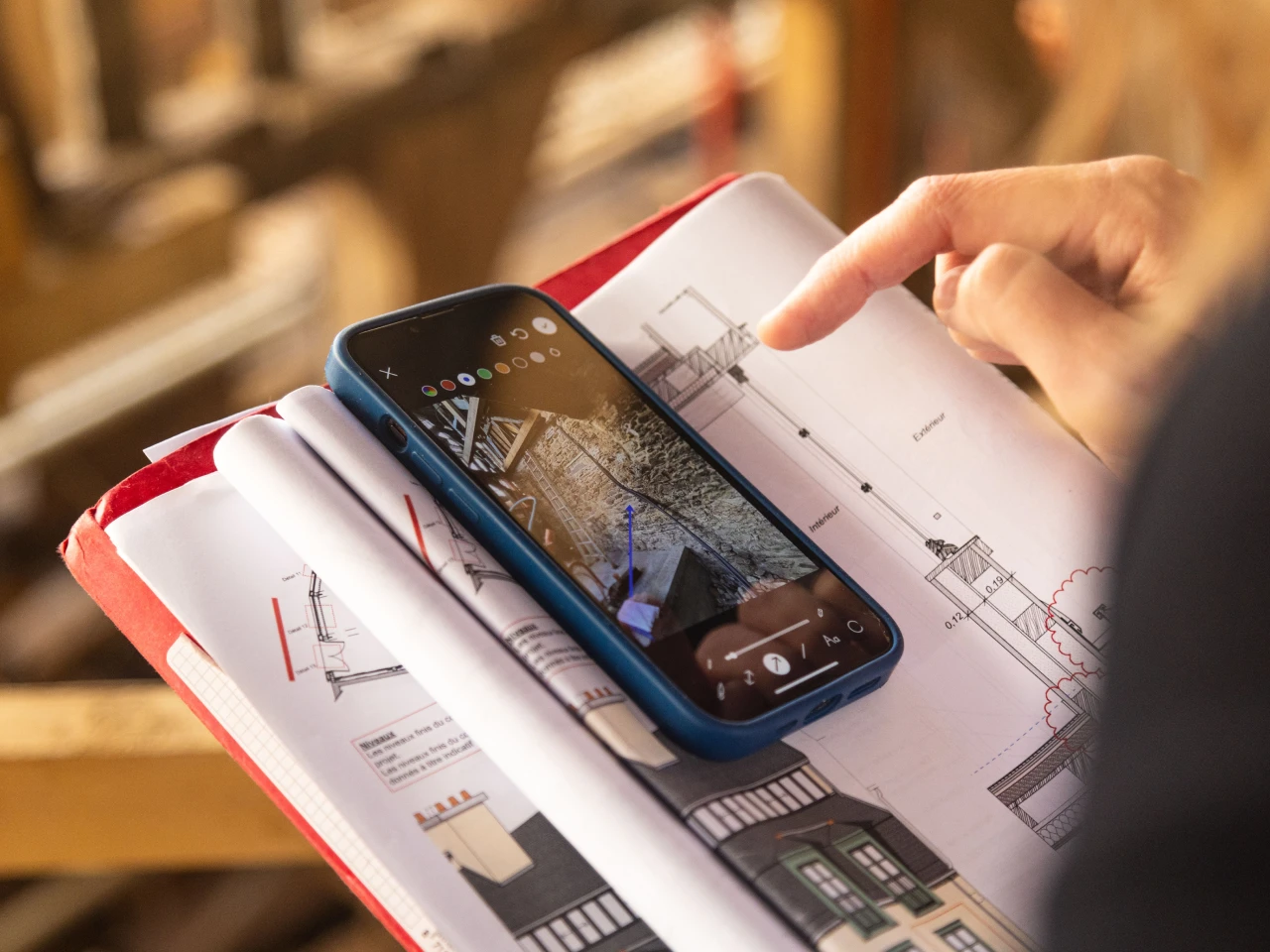
On a site, monitoring goes unnoticed when everything is going well. But as soon as something slips out of control, the effects are quickly felt, and that’s where a monitoring app really proves its worth. It keeps a reliable record of what was seen on site, without having to piece everything together back at the office.
For the architect and the project manager, it changes the way the visit is run. Every observation stays linked to the site, to the right person and to its progress. Monitoring becomes clearer, easier to share and less dependent on everyone’s memory.
What it changes for property managers
Digital monitoring isn’t just for architects. In co-owned buildings, there are many exchanges with many different people.
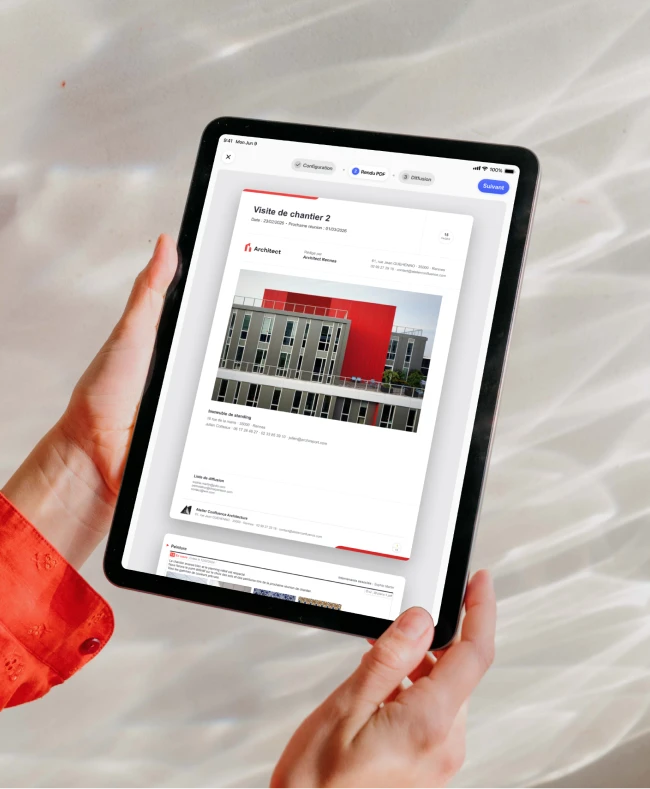
After a visit, the site report makes sure everyone has the same level of information. What was seen on site is set out clearly, with a reliable record for what comes next.
It’s easier to share and, above all, easier to find. When a question comes back a few weeks later, the property manager doesn’t need to dig through their emails or rely on their memory.
Monitoring stays clear, even as the site progresses and the people involved change. It’s also much easier to hand over tasks when someone new joins or the team changes.
How the mobile app transforms the site visit
The great strength of a mobile app is that you can use it on site. A construction site can’t be managed remotely. Decisions are made on the spot, in front of the work, when you need to understand what’s blocking and choose the right next step.
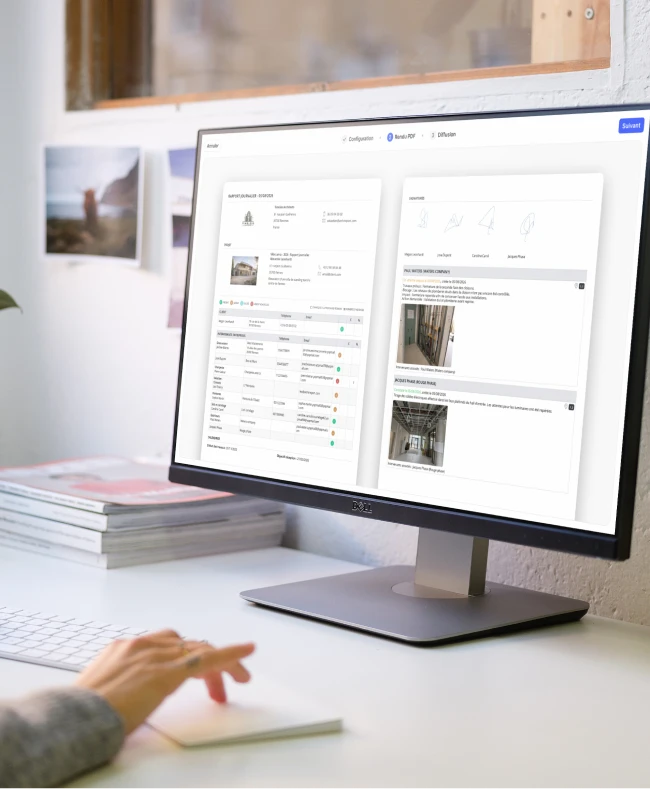
The site report is created directly during the visit: an observation is added to the plan, a photo backs it up and the contractor concerned is identified from the outset. The information is complete and you don’t need to go back over it later. That often saves close to an hour on a task that can take up a lot of time.
Centralising data to move teams forward
A well-monitored site is a site where information flows. Nobody wastes time looking for the latest version or reconstructing the context of an observation.
When data is centralised, everyone knows what they have to do. Contractors easily find the points that concern them, the site manager follows progress and the client keeps a clear view of the site.
Coordination therefore becomes simpler day to day. An observation that is properly assigned, with its context, can be dealt with faster. With ar.live, contractors can even view their snags and reply to them directly from their phone. All you have to do is approve the changes or not, without even having to travel to the site.
The features to look for in a tool
The right software is the one your teams will actually use on site. Before choosing, it’s better to start from everyday use than from a long list of features.
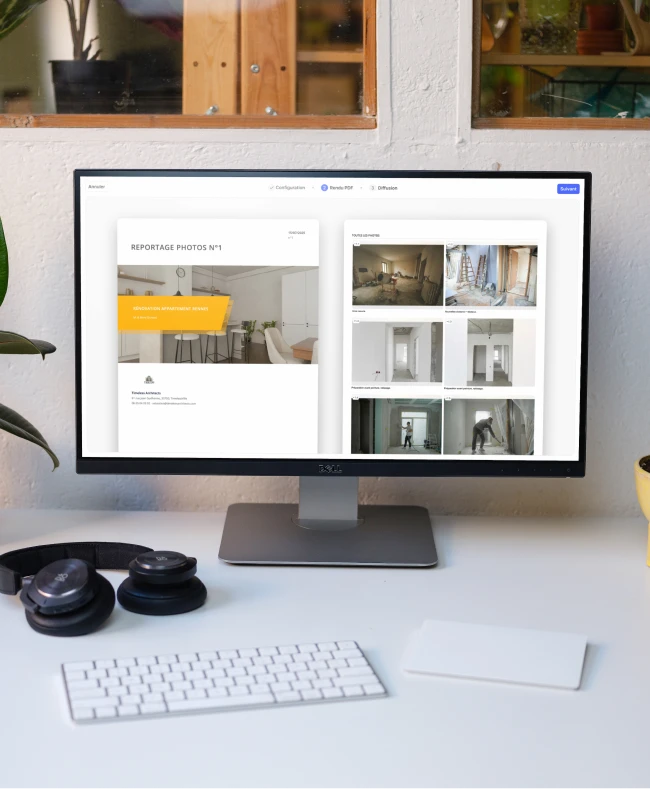
The tool must be easy to pick up, reliable during visits and suited to working in the field. It must also produce clear site reports from the information entered on site, then let you follow up observations over time.
The choice comes down to a simple question: will this tool really help the team run its sites better, or will it just add one more screen to their day?
Making the transition without rushing your teams
Digital tools are adopted more easily when they bring a tangible, immediate benefit. The site report is often the best place to start: it’s a familiar, repetitive task, and everyone quickly sees how much time it takes.
Sometimes it’s enough to start small: one visit, a few observations, some photos, a generated report. Let the tool handle the repetitive part, while the professional stays in control of the decisions.
That’s the spirit in which Archireport supports field teams: organising information better, from the site to the office, without complicating your habits. You can try it free for 30 days, with no commitment and no credit card, directly on a real site.
You might also like these modules
Save 60 minutes on your next site visit.

Unlimited projects

Ready to use

No credit card required