Building defects: how good site monitoring limits claims
11 March 2025
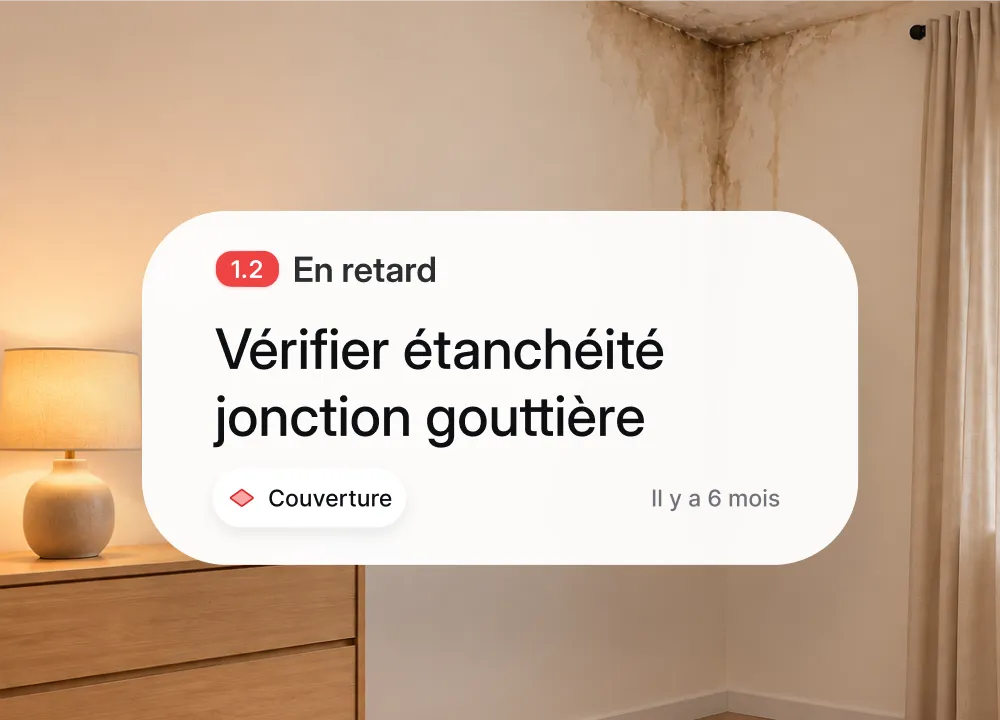
Building defects are not just about a crack or a leak. They are often the sign of a problem spotted too late: a forgotten snag, a missing photo, a verbal exchange that was never confirmed.
On a site, everything moves fast. Contractors press on, trade packages overlap, decisions pile up. And when a defect appears after handover, everyone looks for what was said, seen, approved or reported. This is where site monitoring matters. Not because it prevents every claim, but because clear, documented monitoring makes problems visible earlier.
Building defects, a very concrete issue
Building claims cover defects reported on completed works: leaks, cracks, waterproofing failures, damaged finishes, badly connected services. These defects can appear during the works, at handover or several years later.
The subject is technical, legal and financial. But on site, it is first of all simple: something doesn’t work as planned. A walk-in shower that leaks, a fall that was built wrong, a façade that deteriorates too quickly.
For an architect, a project manager or a property manager, the problem doesn’t end with the defect. You need to understand what happened, find the exchanges, identify responsibilities and get the work redone. When monitoring is clean, this step is simple. When it is vague, it becomes long, tense and costly.
Why defects cost so much
A defect rarely costs just the price of the repair. It brings additional costs: surveys, travel, reworking finished work, late handover, an unhappy client.
In practice, a small mistake can turn into a big issue. A waterproofing failure under tiles can’t always be fixed by replacing a joint. It may mean removing the finish, repairing the substrate, redoing the waterproofing and then restoring the room. The visible damage is often only the tip of the iceberg.
That’s why monitoring has real value. It lets you deal with weak signals before they become claims. A photo taken at the right moment, an observation assigned to the right person, a snag followed through to clearance: simple actions, but they make the site safer.
Common causes of claims
Defects don’t always stem from a lack of skill. They often result from a combination of factors: a tight schedule, imperfect coordination, an instruction passed on too quickly, a document not checked, a snag not followed up.
Coordination between trade packages
A site doesn’t progress one trade package at a time, each in its own bubble. The plumber’s work affects the tiler; the joinery affects the waterproofing. If information flows poorly, the risk increases. In practice, a simple omission in a partition can mean cutting out, redoing plasterboard, touching up paint and a delay. Monitoring acts as the common thread: it keeps a record of decisions and shows who has to do what.
Critical details
Claims often arise at critical details: thresholds, corners, waterproofing upstands, wall penetrations, roof junctions. These areas require precision and become invisible once the finishes are in place. In practice, these are the points to photograph before they are closed up. A photo of an upstand or a concealed service avoids a lot of discussion later, and a dated photo report lets you find those views again in seconds.
Poorly followed-up snags
A snag that is recorded but not cleared remains a risk. On projects with several homes, the number of snags quickly becomes hard to manage when they circulate by email and in scattered photos. A clear snag clearance method is essential: each snag must be located, illustrated, assigned and followed up until it is approved.
Which defects come up most often?
Analyses by the Agence Qualité Construction, the French construction quality agency, show that certain families of defects come up regularly in building claims.
Floor finishes are among the most sensitive elements. They combine many constraints: substrate quality, moisture, flatness, choice of materials and laying conditions. Defects can take several forms: hollow-sounding tiles, warped parquet, cracked floors, a tiled shower that leaks.
Roofing and waterproofing are also critical points. A defect can go unnoticed for several months, then appear during a period of rain. Leaks, damp patches, damaged ceilings or soaked insulation: the consequences can quickly become serious.
External doors and windows have to meet several requirements at once. They must be airtight, watertight and thermally efficient. Careless installation can cause leaks, thermal bridges or operating faults.
Water services, finally, are sensitive by nature. A leak that is invisible at first can damage a floor, a ceiling or a neighbouring home.
The underlying pattern stays the same: the most expensive defects are often linked to water, interfaces and difficult rework. All of them are better documented with a photo taken before they are closed up.
The role of site monitoring in prevention
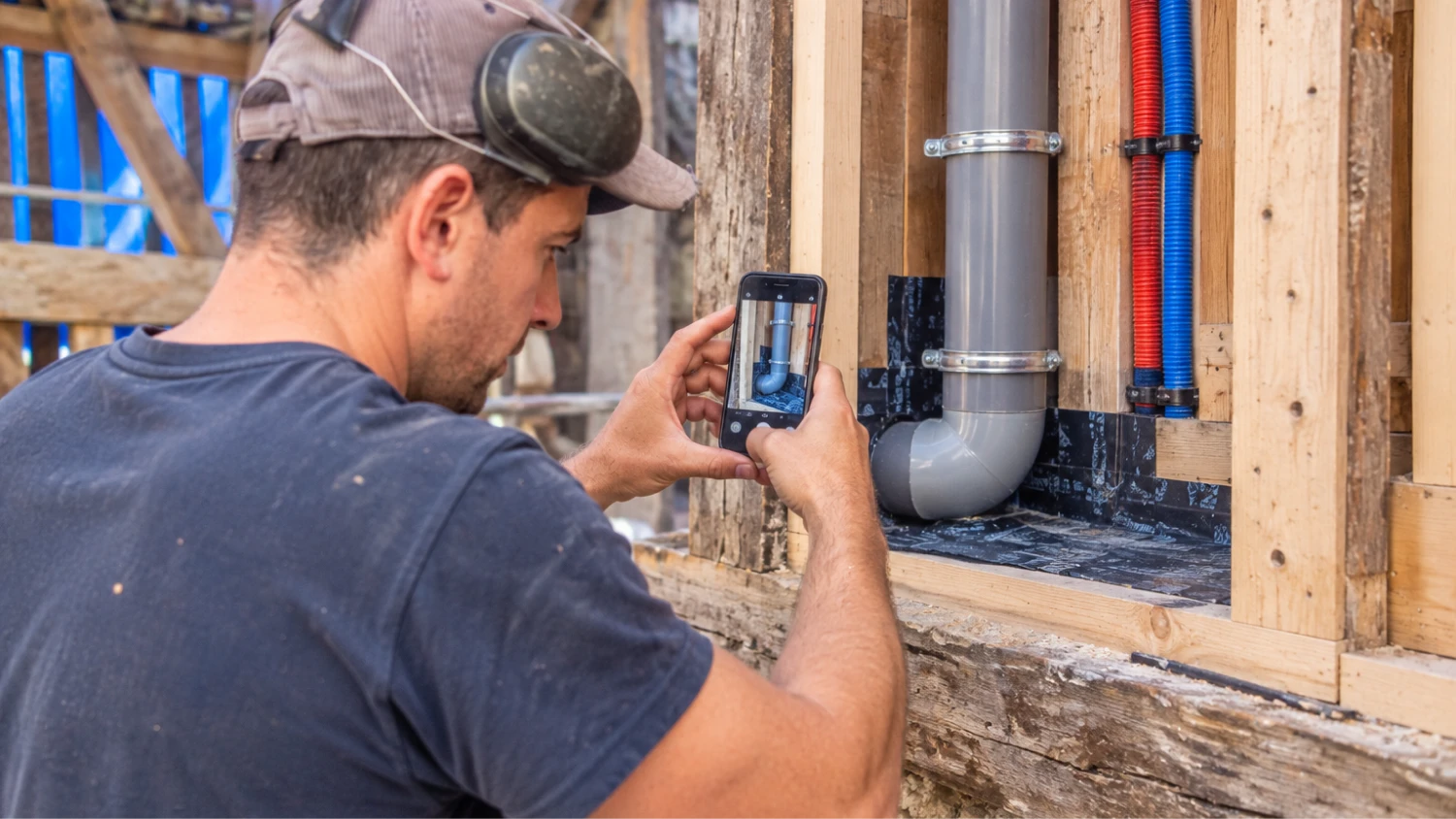
Good monitoring doesn’t promise a perfect site. It makes problems visible earlier. It turns a verbal comment into a tracked action, an isolated photo into useful evidence, a meeting into a shared document. It secures four key moments.
Before the works. You set out the documents, trade packages, contractors and points to watch. A monitoring tool centralises all this useful information.
During site visits. This is when defects are spotted and decisions are made. With Notes & photos, a useful observation says what needs doing, where, by whom and by when, backed up by a photo, and the site visit report keeps a record of it.
During pre-handover inspections. These inspections identify the points to be put right before the works are handed over. The more precise the monitoring at this stage, the smoother the handover. On projects with several homes, multi-zone pre-handover inspections make sure no unit is missed.
After handover. Records become invaluable for retracing the history of an issue. They also matter for the legal guarantees that apply after handover, such as the ten-year liability guarantee in France: a well-kept site report and dated photos bring clarity if there is a dispute.
The site report, a central document
The site report is not a formality. It is the document that turns the visit into an action plan. It keeps the site’s memory, records decisions and aligns contractors.
A good site report is readable, structured and quick to produce. If it takes too much effort, it arrives late, and if it arrives late, it loses its effectiveness. With Archireport, the automatic site report is generated from the observations entered on site. In the field, that means a clear report sent the same day, with observations by trade package, the relevant photos, the people responsible and the deadlines.
Good habits to reduce defects
Prevention relies on simple actions, repeated rigorously. Photograph sensitive points before they are hidden. Locate every observation (building, floor, room, zone, on the plan). Assign every action to the right contractor so it doesn’t stay pending. Track snags with a clear status. And finally, send the site report quickly, to keep the site’s momentum.
Property managers have every interest in this too. In co-owned buildings, traceability helps you answer co-owners, keep a history if the managing agent changes, and avoid digging through dozens of emails. Monitoring & scheduling also gives everyone a shared view of progress.
Better monitoring means better building
Reducing building defects isn’t only about better materials, but also about better information flow. A defect seen early is easier to correct. A well-tracked snag is cleared faster. A clear report limits misunderstandings.
Archireport helps professionals keep that thread without adding to their workload: notes, photos, plans, reports and snags in one place, clear and easy to share. You can try it free for 30 days, with no commitment and no credit card, and see the difference from the very first site followed from start to finish.
You might also like these modules
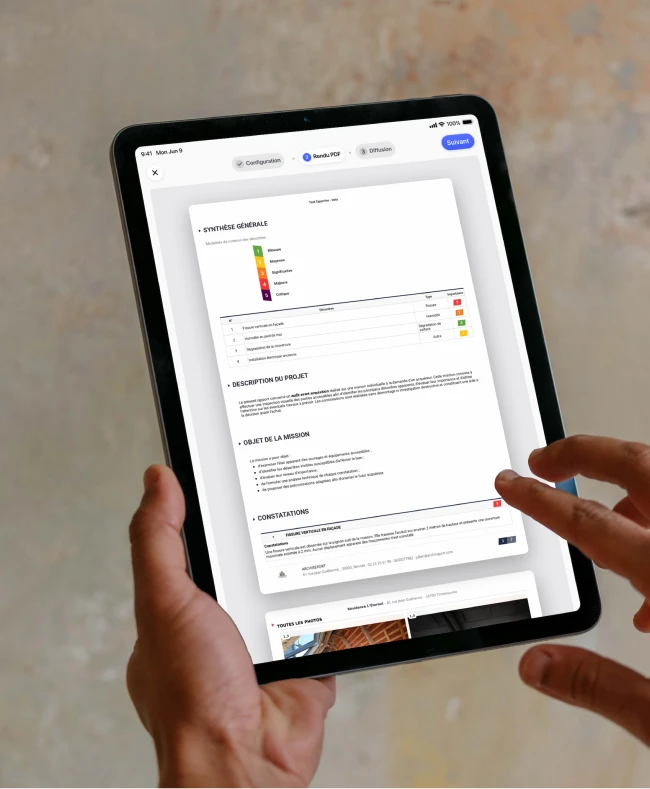
Expert reports
€5 excl. VAT / month
Expert reports
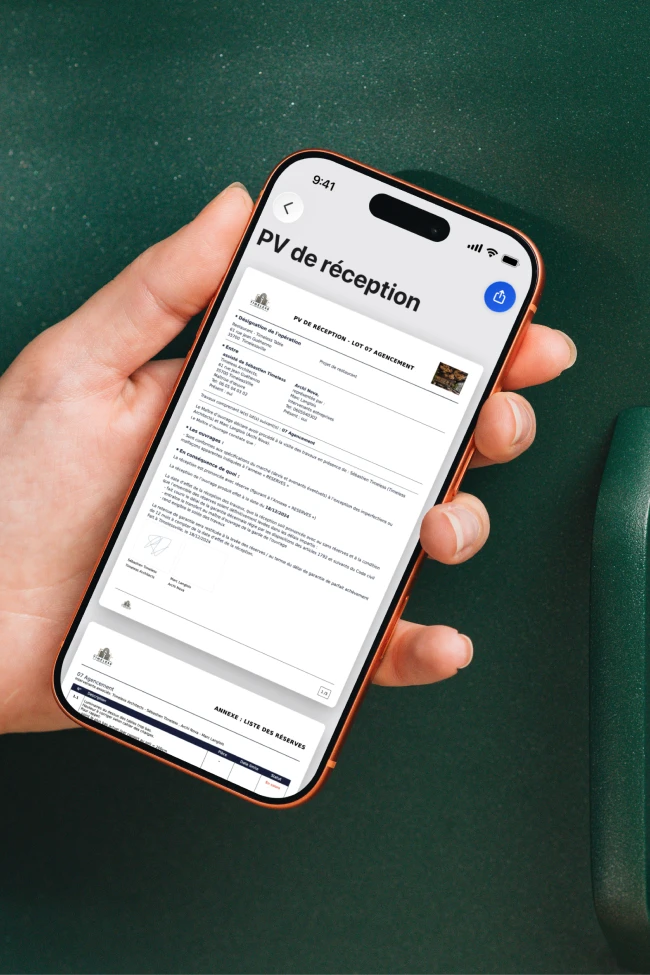
Handover certificate (private contracts)
€5 excl. VAT / month
Handover certificate (private contracts)
Aftercare forms
€5 excl. VAT / month
Aftercare forms
Save 60 minutes on your next site visit.

Unlimited projects

Ready to use

No credit card required