
From 50 calls a day to 5: site monitoring reinvented
Frédéric Retailleau, Project manager
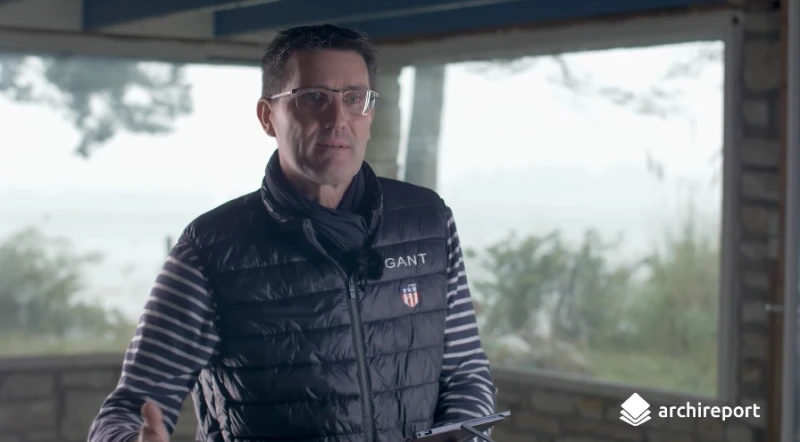
What Archireport brings to your work
First of all, it has changed things, because we used to work without it. We had no tool for writing site reports apart from a traditional email with 2 or 3 photos attached.
Archireport gave me a framework, letting me produce a site report for the contractor but also for the client, because I always send my site report to both of them and to all the other contractors so they can follow the progress of the works. So there’s always a record, a framework for the contractor who’s coming in next.
“We’re at this stage, I need to run my cables, I mustn’t hold up that contractor.” So it brings flexibility, because having used it for 6 months now, I can see that the works move forward much faster and no steps are forgotten or skipped.
The advantage of photos
It’s much simpler: a very specific thing in a specific place on a photo is much more precise. We work much more simply, and it’s very direct; I can pass the photo on to the contractor. The photo is in the site report, and I show them exactly what’s wrong and the remedial work needed, so logically the person doesn’t even need to call me. Everything is written down, everything is specified, often with the thickness I want, or with a bit more thickness or reinforcement in a particular place. It’s much simpler, even for them.
I have contractors who tell me “I’m going on site because I saw he’d run his cables, so I can go and close it up”; I hardly need to call them any more. They know exactly where we’re at and when to come in.
It helps them organise their time better, because we often used to work in a bit of a rush. I’d call to say “he’s finished today, you can go in tomorrow”, but they’d probably planned something else for the next day.
So when I send my report, they know that in a week or two they’ll need to schedule a visit. So in terms of time management for the contractors, and for me, I’ve gained comfort. Quality of life.
I used to make 40 to 50 calls a day. Today I make 5. I often take photos. I could show you, for example, a detail here on this site: very technical things where I would often say, “listen, the best thing is to meet on site”. Now I take a photo and tell him how it is and how I want it, with a reinforcement of such-and-such a piece, such-and-such a section, in such-and-such a place, at such-and-such a height, with screws, but careful, it needs to be as discreet as possible. It’s much simpler. The team can get on with it without me being there, and without me spending ages redrawing a sketch or anything else. I draw directly on the photo and send it to them; for them it’s much simpler.
So yes, the work goes more smoothly, and it also avoids redoing things because of misunderstandings. Everyone wins, because time is money, especially for contractors. So yes, it saves money, that’s clear.
The importance of the site report
For clients, the site report is very important. Often they start by thanking me, and then the questions come: “What are we doing in that area?” Three quarters of my clients aren’t necessarily local. They entrust me with monitoring the site, as is the case here, so I’m their eyes.
It’s good for them to know where we’ve got to, what’s been done, whether their expectations are being met, whether we understood each other and whether what they asked for has been carried out. There’s nothing to hide, because I send the site report to both the contractor and the client. There aren’t two site reports, one of them hiding things.
When something isn’t right, I put it in the site report, so the clients see it. But when I also thank a contractor for coming in so quickly, for things running smoothly, for us sticking to the schedule and not falling behind, it also shows the client that we’re keeping to time, and that they in turn need to keep to the payment deadlines. It’s a win-win, so it’s good; it builds mutual trust, between the client and me but also between the client and the contractors. In fact, it’s a trio that works much more easily.
And we have a record. When I do a site report with the contractors at a site meeting, we always go back over the previous site report: “Have we dealt with all the points?” That’s good, because it avoids saying “Oh, we’ve forgotten things” at handover. By going back over it, logically nothing is forgotten, and we’re covered too, because we have to talk a bit about the legal side as well. We put everything in writing. If anything ever happens, it was written down.
Plus d’interviews
6:08
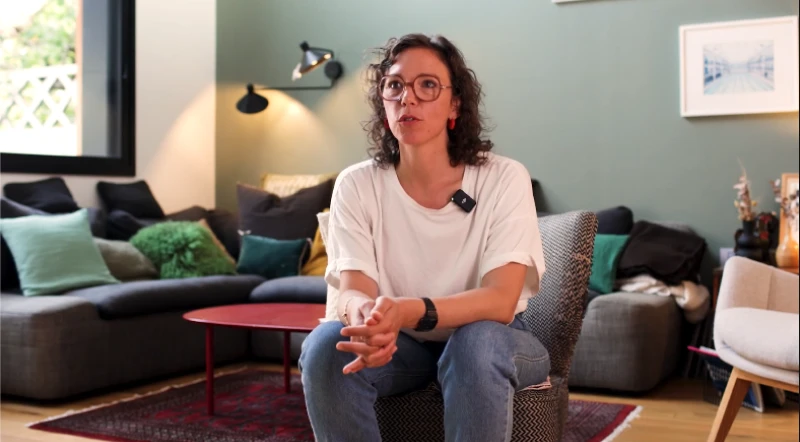
A semi-detached house completely transformed (with extension), with Elsa Mut, architect
She pays particular attention to integrating each project harmoniously into its surroundings, favouring restraint, durability and attention to detail. Each of her projects also follows an environmental approach: making the most of solar gain and natural light, energy efficiency, renewable materials…
Save 60 minutes on your next site visit.

Unlimited projects

Ready to use

No credit card required